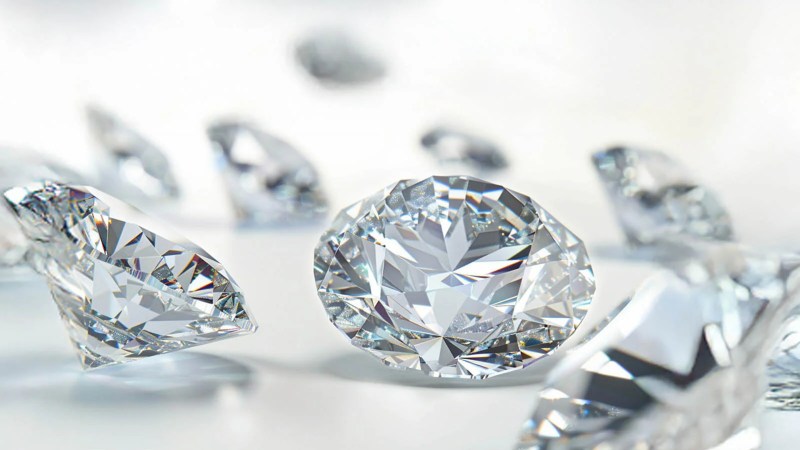
Arizona’s luxury market has quietly shifted over the past decade, and diamonds sit at the center of that transformation. What once functioned almost exclusively as symbols of engagement and inheritance has expanded into a broader conversation about investment, identity, and lifestyle spending in the desert Southwest.
From Tradition to Transaction
For most of the twentieth century, diamonds in Arizona followed the same cultural script as everywhere else in the country. They marked engagements, anniversaries, and milestone birthdays. Jewelry stores in Scottsdale and Phoenix catered to a predictable cycle of demand, and the market moved at a steady, unhurried pace.
That dynamic has changed. A growing segment of Arizona buyers now approaches diamonds the way they approach real estate or collectibles, as assets that hold value, tell a story, and can be repositioned when circumstances change. The resale and estate jewelry market in the Phoenix metro area has grown noticeably, with more buyers entering that space who have no intention of wearing what they purchase.
This shift reflects broader national trends, but Arizona’s specific economic profile amplifies them. The state has attracted a significant wave of high-net-worth transplants from California, New York, and the Pacific Northwest, many of whom arrived with existing luxury portfolios and a more transactional relationship with fine goods.
The Scottsdale Effect
Scottsdale deserves its own analysis here. The city functions as Arizona’s luxury anchor, and its diamond market behaves differently from what you find in Tucson or Flagstaff. Scottsdale buyers tend to skew younger than the national average for fine jewelry purchases, and they arrive with different expectations. Very different ones.
What Scottsdale Buyers Want Now
Demand in Scottsdale has moved toward pieces that feel current rather than classic. Lab-grown diamonds have made a significant entrance into this market, not because buyers are cutting corners, but because a meaningful portion of the buyer base has decided that origin matters less than cut, size, and design. Jewelers along Scottsdale Road and in Old Town have responded by expanding their lab-grown inventories in ways that would have seemed unlikely five years ago.
Custom design has surged alongside that shift. Buyers want something that reflects a personal aesthetic rather than a catalog selection, and this has supported a growing ecosystem of independent designers and small studios operating alongside the established national chains.
The Resale Dimension
Scottsdale’s resale market for diamonds has become genuinely sophisticated. Estate sales, consignment boutiques, and dedicated resale platforms have given buyers real options beyond the traditional retail channel. This has created a more liquid market than Arizona historically supported, which in turn attracts buyers who think of diamonds as holdings rather than keepsakes.
Diamonds and Arizona’s Broader Wealth Landscape
Arizona has experienced substantial wealth creation over the past several years, driven by real estate appreciation, technology sector growth in the East Valley, and an influx of financial services firms relocating from higher-cost states. That wealth has to go somewhere, and luxury goods have captured a portion of it.
Diamonds occupy an interesting position in this landscape. They are portable, private, and culturally legible as status markers without requiring explanation. For buyers who have recently accumulated significant assets, a meaningful diamond purchase carries social weight that a brokerage account simply does not.
The luxury watch market in Arizona has followed a parallel trajectory, and the two categories often attract the same buyers. Someone who collects mechanical watches tends to understand the logic of owning a well-cut stone. Both require knowledge to buy well, both reward patience, and both have resale markets that run on reputation and condition.
How Arizona Retailers Are Adapting
The retailers who are thriving in this environment share a few characteristics. They have invested in education, both for their staff and for their customers. They talk openly about resale value, which was once considered bad form in the industry. Many successful diamond buyers in Scottsdale have also built strong relationships with estate and resale channels rather than treating them as competition.
Several specific adaptations stand out:
- Expanded grading transparency, with more retailers providing detailed documentation and third-party certification as a standard part of every sale
- Flexible acquisition models that allow customers to trade, upgrade, or consign pieces back through the same store
- A stronger emphasis on design consultation, positioning the purchase as a creative collaboration rather than a product selection
- Investment in digital presentation tools that allow remote buyers, particularly those relocating to Arizona, to evaluate pieces before arriving in person
- Deeper inventory in colored diamonds and fancy shapes, responding to a customer base that has moved away from the traditional round brilliant as a default
Retailers who have resisted these adaptations are finding the market less forgiving than it once was. The buyer who walks in today has often done substantial research before crossing the threshold. They respond poorly to outdated sales approaches, and they notice immediately when a retailer hasn’t kept up.
Tucson and the Secondary Markets
Phoenix and Scottsdale draw most of the attention, but Tucson and other secondary Arizona markets tell their own story. Tucson’s luxury economy is smaller and more locally rooted, but it has its own diamond culture shaped by the city’s deep connection to the gem and mineral trade.
The Tucson Gem and Mineral Show, held each February, draws buyers and dealers from around the world. While the show focuses broadly on gemstones and minerals, it has created a community of knowledgeable buyers in the Tucson area who approach diamonds with more technical sophistication than you might expect from a market of that size. These buyers know what they want, they know what things are worth, and they are not easily upsold.
That dynamic has shaped local retailers in useful ways. Tucson jewelers tend to compete on knowledge and authenticity rather than spectacle, which produces a different kind of customer relationship. Repeat business and referrals drive more of the revenue there than in the higher-volume Scottsdale corridor.
Conclusion
Arizona’s diamond market is not simply following national trends. It is developing its own character, shaped by the specific demographics, economic conditions, and cultural influences that define the state right now. Buyers entering this market over the next decade will be younger, more informed, and more comfortable treating luxury goods as part of a diversified approach to wealth.
Retailers, designers, and estate professionals who understand this shift are already positioning themselves accordingly. The opportunity is real, and it belongs to those who meet buyers where they actually are rather than where tradition suggests they should be.